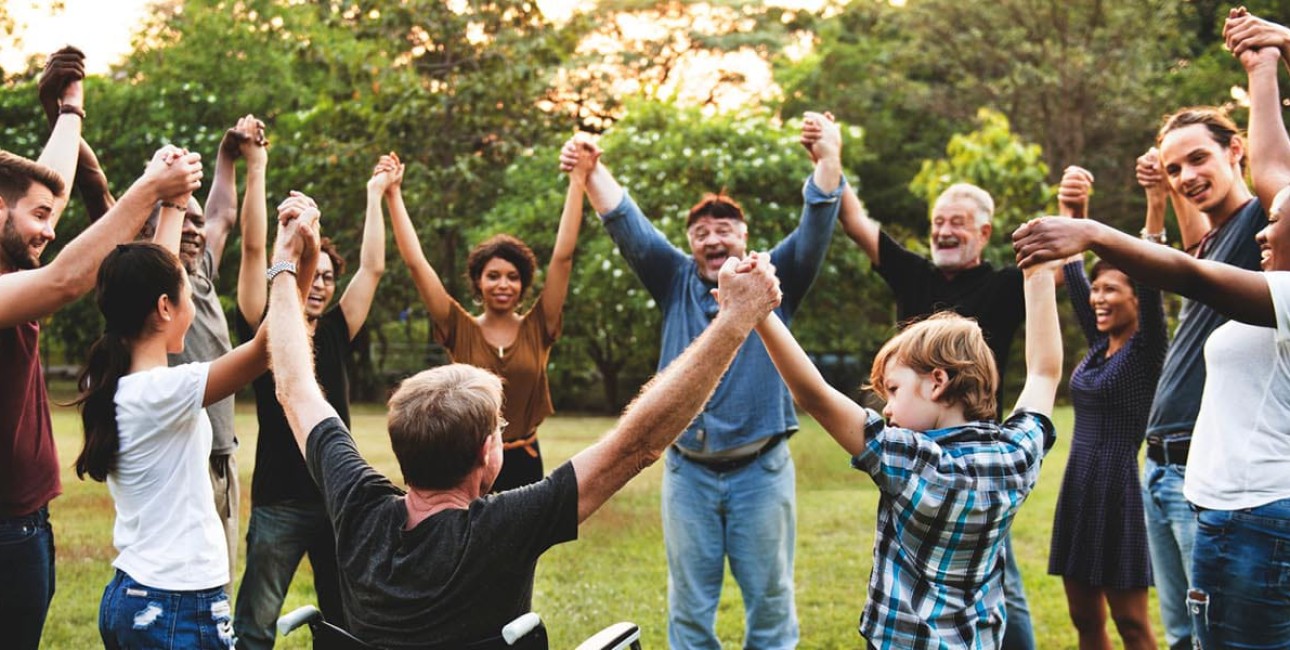
How real estate develop the community....
2024-12-31 11:11:22
Real estate plays a significant role in community development by shaping the physical, social, and economic environments where people live and work. Here’s how real estate contributes to the development of communities:
1. Providing Affordable Housing:
- Real estate developers work to meet the growing demand for affordable housing in urban and suburban areas, especially in fast-growing cities. By building low-cost housing options or mixed-income communities, developers help ensure that people of varying income levels have access to safe and affordable homes.
- Governments and developers often collaborate on affordable housing projects, using subsidies or tax incentives to reduce the cost for residents.
2. Creating Infrastructure:
- Large-scale real estate developments often come with the creation or improvement of key infrastructure such as roads, public transportation, sewage, water systems, and schools. This infrastructure supports the growth and functionality of entire communities.
- New residential or commercial developments can spur local governments to invest in better services, improving the overall quality of life in the area.
3. Supporting Economic Growth:
- Real estate development generates jobs both directly and indirectly. Construction projects create employment for builders, contractors, and laborers. Once built, properties often require ongoing maintenance and management, generating more local jobs in property management, retail, and services.
- Commercial real estate, such as office buildings, retail centers, and industrial parks, creates spaces for businesses to operate, contributing to local economies and providing job opportunities for residents.
4. Promoting Mixed-Use Development:
- Real estate developers are increasingly focusing on mixed-use developments, which combine residential, commercial, and recreational spaces within a single community. This approach helps create vibrant neighborhoods where people can live, work, shop, and socialize, reducing the need for long commutes and increasing the convenience for residents.
- Such developments often include public parks, plazas, and entertainment options, which enhance the social and cultural life of the community.
5. Encouraging Sustainability:
- In response to growing environmental concerns, real estate developers are incorporating sustainable practices in their projects. Green building initiatives, energy-efficient homes, and eco-friendly construction materials reduce the environmental impact of new developments.
- Developers are also focusing on creating walkable neighborhoods with access to public transportation, reducing car dependency and contributing to a cleaner, more sustainable environment.
6. Enhancing Social and Cultural Spaces:
- Real estate projects often incorporate public spaces such as parks, cultural centers, and community gathering places. These spaces foster social cohesion by providing venues for residents to connect, share experiences, and engage in recreational or cultural activities.
- Developers may also work with local organizations to create community centers, libraries, or art spaces, helping to foster a strong sense of identity and belonging among residents.
7. Urban Regeneration:
- In older, underdeveloped, or abandoned areas, real estate development can play a key role in revitalizing the neighborhood. By renovating dilapidated buildings or constructing new developments, real estate can bring new life to struggling areas, attracting businesses, residents, and tourists.
- Gentrification, when carefully managed, can help improve infrastructure, reduce crime, and increase property values, though it must be balanced to avoid displacing long-term residents.
8. Encouraging Diversity and Inclusion:
- Developers and city planners are increasingly focusing on creating inclusive communities that cater to diverse groups of people, including low-income families, seniors, people with disabilities, and young professionals.
- By designing affordable housing, providing accessible infrastructure, and creating spaces for different community groups, real estate development can promote social integration and reduce inequalities within neighborhoods.
9. Strengthening Local Identity:
- Real estate developers often collaborate with local communities to design developments that reflect the unique cultural, historical, and architectural identity of an area. This can include preserving historical buildings, integrating local art, and respecting cultural landmarks.
- By enhancing the aesthetic and cultural appeal of a neighborhood, real estate can help preserve and promote local identity while attracting tourists and new residents.
10. Improving Safety and Security:
- Well-planned real estate developments often incorporate safety features such as better lighting, well-maintained roads, and surveillance systems. These improvements can help reduce crime and make neighborhoods more secure for residents.
- New developments often lead to better policing and community engagement, creating a safer environment overall.
In summary, real estate development helps build stronger, more vibrant communities by providing essential housing, economic opportunities, infrastructure, and social spaces. By prioritizing sustainability, inclusivity, and local engagement, real estate plays a key role in shaping the future of cities and neighborhoods....