
“2025 Real Estate Market Trends: Insights for Buyers, Sellers & Investors”
🏠 For Buyers: Opportunities Amidst Challenges
-
Mortgage Rates & Affordability: Mortgage rates remain elevated, hovering around 6.7%, which continues to challenge affordability for many buyers. However, a slight increase in housing inventory offers more options, potentially easing some pressure.
-
Regional Variations: Markets in the South and West are experiencing robust construction activity, helping to stabilize home prices. Conversely, areas like the Midwest remain more affordable, attracting first-time buyers.
-
Emerging Trends: The concept of "rentvesting"—buying investment properties in affordable markets while renting in pricier cities—is gaining traction among younger buyers.
🏡 For Sellers: Strategic Positioning is Key
-
Inventory Levels: An 11% increase in new home listings has led to the highest buyer choice since 2015, intensifying competition among sellers.
-
Pricing Strategies: While home prices continue to rise, the pace has decelerated. Sellers are advised to price homes competitively and highlight unique features to attract buyers.
-
Demographic Shifts: There's a notable increase in multigenerational living arrangements, influencing home features and marketing approaches.
💼 For Investors: Navigating Risks and Opportunities
-
Climate Change Impacts: Areas like southwest Florida are witnessing declining demand due to climate-related risks and soaring insurance premiums.
-
Policy Influences: New tariffs introduced by the Trump administration have disrupted the housing market, leading to increased mortgage rates and construction costs.
-
Commercial Real Estate: The office sector is experiencing a modest revival, with vacancy rates declining for the first time since 2020, driven by a return to in-person work and demand for modern, eco-friendly spaces.
-
Buyers: Remain vigilant about mortgage rate trends and explore emerging markets that offer affordability and growth potential.
-
Sellers: Focus on strategic pricing and home enhancements to stand out in a competitive market.
-
Investors: Assess climate risks and policy changes carefully, and consider diversifying portfolios to include resilient sectors like data centers and sustainable properties.
Staying informed and adaptable is crucial in navigating the dynamic real estate landscape of 2025.

Why Choose Aceland Properties?
1. Extensive Portfolio of Properties
Aceland Properties offers a diverse selection of properties to suit the unique needs of each client. From residential homes, apartments, and villas to commercial spaces, we have something for everyone. Our listings include both brand-new developments and pre-owned properties in prime locations, ensuring that you find the perfect fit for your budget and lifestyle.
2. Professional Expertise
With years of experience in the Nepali real estate market, our team of experts understands the local trends, legalities, and opportunities. We guide you through every step of the process, from choosing the right property to completing the necessary paperwork and ensuring a smooth transaction. Our mission is to make real estate investments and purchases as easy and transparent as possible.
3. Transparent Process
One of the key challenges in the real estate market can be navigating through complex paperwork and dealing with hidden costs. At Aceland Properties, we believe in maintaining full transparency. We provide clear and detailed information about every property, including pricing, legal status, and any additional costs that may apply. This transparency ensures that our clients can make informed decisions without any surprises.
4. Strong Network of Developers and Builders
We work closely with some of Nepal’s most reputable developers and builders, offering clients access to high-quality, well-constructed properties. Aceland Properties has forged strong relationships in the industry, allowing us to offer exclusive properties and get the best deals for our clients.
5. Customer-Centric Approach
Our customer-centric approach ensures that your needs and preferences are at the forefront of everything we do. Whether you're buying, selling, or renting, we take the time to understand your requirements and offer personalized advice. Our goal is to make sure that every client finds a property that fits their vision and lifestyle.

Opportunities in the Nepalese Real Estate Market
-
Affordable Housing Development: There is a growing demand for affordable housing across the country. As urbanization continues, the need for low-cost residential units is becoming more pronounced. Real estate developers who focus on building affordable housing projects can tap into this growing market, meeting the needs of a large segment of the population.
-
Tourism-Related Real Estate: Nepal's thriving tourism industry offers another opportunity in the real estate sector. Hotels, resorts, and guesthouses catering to both domestic and international tourists are in high demand. Developers who invest in tourist-centric real estate projects in popular destinations like Pokhara, Chitwan, and Lumbini can expect a solid return on investment.
-
Commercial Real Estate: As Nepal's economy grows, so does the demand for office spaces, retail outlets, and mixed-use developments. The emergence of tech startups and multinational companies setting up operations in Nepal is creating a need for modern commercial spaces. Developers who can offer flexible and innovative commercial spaces in key urban centers are well-positioned to benefit from this trend.
-
Sustainable and Green Buildings: There is a growing awareness of the need for sustainable construction practices in Nepal. Developers who incorporate energy-efficient technologies, eco-friendly materials, and green building designs into their projects are likely to attract environmentally conscious buyers. The government is also offering incentives for green buildings, making this an attractive area for future investment.

Is Real Estate Investment a Good Option for You?
Real estate investment can be a solid choice if you:
- Are looking for a long-term investment.
- Can afford the initial costs and maintenance expenses.
- Have the time or resources to manage the property or hire a manager.
- Are willing to deal with market volatility and risks.
However, it might not be the best option if:
- You need liquidity or quick access to cash.
- You prefer low-maintenance investments.
- You are risk-averse or lack sufficient capital to weather potential downturns.
Before diving into real estate, it's crucial to carefully assess your financial situation, goals, and risk tolerance. Consulting with a financial advisor or real estate expert can help you make an informed decision.

How to Sell Your Home Fast in 2025
1. Stage Your Home for Success
The way your home looks plays a crucial role in how quickly it sells. Staging your home can help potential buyers imagine themselves living in the space. You don’t have to spend a fortune—sometimes a few new throw pillows, a fresh coat of paint, or decluttering can make a big difference. The goal is to make the home feel welcoming, bright, and spacious.
2. Professional Photography is a Must
In the digital age, most buyers start their home search online. Make sure your listing stands out by using high-quality, professional photos that showcase your home’s best features. Virtual tours or even drone shots can also make your listing more appealing.
3. Price it Right
Pricing your home correctly is critical. While you may feel your home is worth more, overpricing can scare away potential buyers. Work with a real estate agent to analyze comparable sales in your neighborhood and set a competitive price. If your home is priced right, it’s more likely to generate interest quickly.
4. Market to the Right Buyers
In 2025, online marketing is king. A social media campaign, email newsletters, and listing your property on all major real estate websites can ensure that your home reaches the right audience. Additionally, targeted advertising can help connect your listing with local buyers or those looking to move into your neighborhood.
5. Be Ready for Negotiation
Most offers come with some negotiation, so be prepared to be flexible. Work with your agent to decide on your bottom line and areas where you’re willing to compromise. A willingness to negotiate can help close the deal faster, especially in a competitive market.

Tips for first time homebuyers....
1. Know Your Budget
Before you even start browsing homes, it's crucial to understand what you can afford. A common mistake first-time buyers make is falling in love with a property that’s beyond their financial reach. To avoid this, work with a financial advisor or mortgage broker to determine how much you can comfortably spend on a home.
Be sure to factor in not just the mortgage, but also property taxes, insurance, and maintenance costs. This will give you a better idea of your total monthly expenses and help you stay within a realistic budget.
2. Get Pre-Approved for a Mortgage
Once you have a sense of your budget, it’s time to get pre-approved for a mortgage. A pre-approval letter from a lender will give you an edge in a competitive market by showing sellers that you are a serious and qualified buyer. It also helps speed up the buying process once you find your dream home, as you’ve already completed much of the necessary paperwork.
3. Research the Neighborhood
While the house itself is essential, the neighborhood is just as important. Take time to explore the area, visit local parks, check out schools (if you have or plan to have children), and get a feel for the community. Look into crime rates, future development plans, and nearby amenities. A home in the right location can offer a greater return on investment over time.
4. Hire a Real Estate Agent
A good real estate agent can make all the difference in your home-buying experience. They can guide you through the process, help you negotiate a fair price, and advocate for your interests. Plus, they have access to listings that may not be available to the general public. Make sure to choose an agent who is knowledgeable about the area you're interested in and who has experience working with first-time buyers.

How real estate develop the community....
Real estate plays a significant role in community development by shaping the physical, social, and economic environments where people live and work. Here’s how real estate contributes to the development of communities:
1. Providing Affordable Housing:
- Real estate developers work to meet the growing demand for affordable housing in urban and suburban areas, especially in fast-growing cities. By building low-cost housing options or mixed-income communities, developers help ensure that people of varying income levels have access to safe and affordable homes.
- Governments and developers often collaborate on affordable housing projects, using subsidies or tax incentives to reduce the cost for residents.
2. Creating Infrastructure:
- Large-scale real estate developments often come with the creation or improvement of key infrastructure such as roads, public transportation, sewage, water systems, and schools. This infrastructure supports the growth and functionality of entire communities.
- New residential or commercial developments can spur local governments to invest in better services, improving the overall quality of life in the area.
3. Supporting Economic Growth:
- Real estate development generates jobs both directly and indirectly. Construction projects create employment for builders, contractors, and laborers. Once built, properties often require ongoing maintenance and management, generating more local jobs in property management, retail, and services.
- Commercial real estate, such as office buildings, retail centers, and industrial parks, creates spaces for businesses to operate, contributing to local economies and providing job opportunities for residents.
4. Promoting Mixed-Use Development:
- Real estate developers are increasingly focusing on mixed-use developments, which combine residential, commercial, and recreational spaces within a single community. This approach helps create vibrant neighborhoods where people can live, work, shop, and socialize, reducing the need for long commutes and increasing the convenience for residents.
- Such developments often include public parks, plazas, and entertainment options, which enhance the social and cultural life of the community.
5. Encouraging Sustainability:
- In response to growing environmental concerns, real estate developers are incorporating sustainable practices in their projects. Green building initiatives, energy-efficient homes, and eco-friendly construction materials reduce the environmental impact of new developments.
- Developers are also focusing on creating walkable neighborhoods with access to public transportation, reducing car dependency and contributing to a cleaner, more sustainable environment.
6. Enhancing Social and Cultural Spaces:
- Real estate projects often incorporate public spaces such as parks, cultural centers, and community gathering places. These spaces foster social cohesion by providing venues for residents to connect, share experiences, and engage in recreational or cultural activities.
- Developers may also work with local organizations to create community centers, libraries, or art spaces, helping to foster a strong sense of identity and belonging among residents.
7. Urban Regeneration:
- In older, underdeveloped, or abandoned areas, real estate development can play a key role in revitalizing the neighborhood. By renovating dilapidated buildings or constructing new developments, real estate can bring new life to struggling areas, attracting businesses, residents, and tourists.
- Gentrification, when carefully managed, can help improve infrastructure, reduce crime, and increase property values, though it must be balanced to avoid displacing long-term residents.
8. Encouraging Diversity and Inclusion:
- Developers and city planners are increasingly focusing on creating inclusive communities that cater to diverse groups of people, including low-income families, seniors, people with disabilities, and young professionals.
- By designing affordable housing, providing accessible infrastructure, and creating spaces for different community groups, real estate development can promote social integration and reduce inequalities within neighborhoods.
9. Strengthening Local Identity:
- Real estate developers often collaborate with local communities to design developments that reflect the unique cultural, historical, and architectural identity of an area. This can include preserving historical buildings, integrating local art, and respecting cultural landmarks.
- By enhancing the aesthetic and cultural appeal of a neighborhood, real estate can help preserve and promote local identity while attracting tourists and new residents.
10. Improving Safety and Security:
- Well-planned real estate developments often incorporate safety features such as better lighting, well-maintained roads, and surveillance systems. These improvements can help reduce crime and make neighborhoods more secure for residents.
- New developments often lead to better policing and community engagement, creating a safer environment overall.
In summary, real estate development helps build stronger, more vibrant communities by providing essential housing, economic opportunities, infrastructure, and social spaces. By prioritizing sustainability, inclusivity, and local engagement, real estate plays a key role in shaping the future of cities and neighborhoods....

The Growing Real Estate Market in Nepal: Opportunities and Trends
The real estate market in Nepal is witnessing significant growth, driven by a combination of urbanization, increasing demand for housing, and foreign investment. Over the past few years, the sector has become one of the most lucrative industries in the country, attracting both local and international investors. With a rapidly expanding middle class, improved infrastructure, and a growing economy, Nepal’s real estate market is on an upward trajectory.
Urbanization and Demand for Housing
One of the key factors contributing to the growth of Nepal’s real estate market is urbanization. As more people migrate to urban areas like Kathmandu, Pokhara, and Lalitpur in search of better job opportunities, the demand for both residential and commercial properties has surged. This urban shift has created a strong need for affordable housing, luxury apartments, office spaces, and commercial complexes. The rising middle class, with an increasing disposable income, is driving demand for quality living spaces in prime locations.
Investment Opportunities
The real estate market in Nepal presents numerous investment opportunities. Residential real estate, in particular, is one of the most popular segments, with developers focusing on creating modern, well-designed properties to cater to diverse consumer needs. Additionally, commercial properties such as office buildings, retail spaces, and hotels are experiencing a steady rise in demand, driven by Nepal’s expanding business ecosystem and its growing appeal as a tourist destination.
Foreign investment is also playing a significant role in the development of Nepal’s real estate sector. Nepal’s favorable government policies, including ease of doing business and investment incentives, have attracted investors from countries like China, India, and the Middle East. As a result, several large-scale real estate projects, including mixed-use developments, luxury apartments, and resort properties, are currently under construction.
Infrastructure Development
Improved infrastructure, such as better roads, public transportation systems, and utilities, is further boosting the real estate market in Nepal. Major development projects like the Kathmandu Valley Metro, improved highways, and international airports are enhancing connectivity, making previously remote areas more accessible and opening up new opportunities for real estate development.
Future Outlook
The future of Nepal’s real estate market looks promising, with continued urban growth, increased foreign investment, and improved infrastructure set to drive further expansion. As the economy grows and consumer purchasing power rises, the demand for diverse real estate products will continue to soar. For investors and developers, Nepal presents an exciting and dynamic market with significant growth potential.
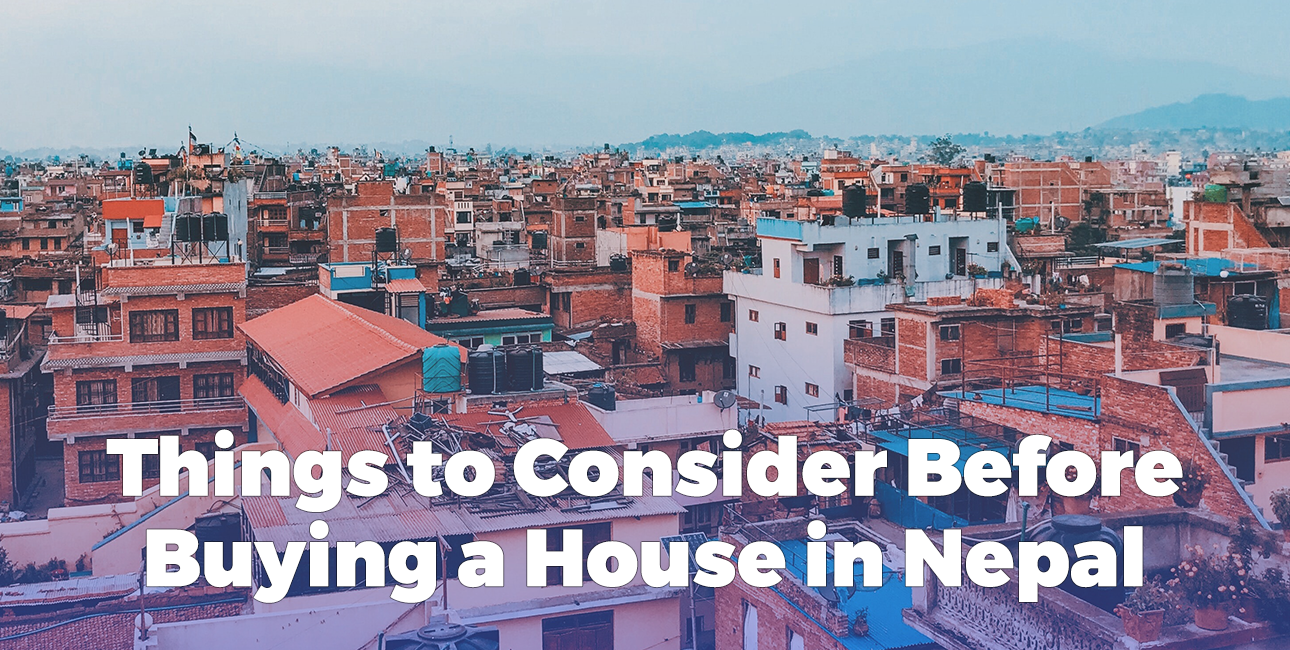
Things to Consider Before Buying a House in Nepal
Are you considering buying a house in Nepal but unsure of how to get started? Buying a house has always been stressful since it’s quite difficult to find the dream home we desire. The urge to buy a home in Nepal is growing quickly along with the country’s rapid urbanization. However, before you search for the ideal house, here are some things you need to consider before buying a house in Nepal.
Location: The location should be the most crucial aspect when purchasing a home because it is the only aspect of your home that cannot be changed once you have made the purchase. Similarly, it is best to try a location close to your city’s most popular area so that the cost is lower. Future prospects for the area should also be heavily considered because they have an immense influence on the value of your property when you decide to sell it.
Taxes and living expenses: The location where you live has a significant impact on your taxes and other living expenses. A house with a large plot of land will have higher property taxes than a home with a small backyard. Additionally, it can be quite expensive to live in a danger-prone area like a flood zone. All these added costs will increase your monthly housing bill and your overall cost of living. Therefore, take some time to compare costs if you’re exploring homes in various areas.
Land Cost: Another important aspect to consider before buying a house in Nepal is the land’s price. Various factors determine the price of anything, and the same is the case with the land. These factors need to be understood and considered accordingly. In Nepal, market supply and demand mostly determine land prices. The price of the land is the most crucial factor that helps you determine whether the house is worth buying.
Documents and Paperwork: When choosing a property to purchase, only those that have the paperwork and documentation should be considered. Having properties with missing paperwork and documentation may occasionally make the legal procedure more challenging; therefore, these factors must be taken into account.
Services and amenities: When searching for a house, it’s important to consider the services that are available in the locality of your choice, whether they are for personal or commercial use. Facilities like transportation, schools, roadways, water supply, sewage systems, hospital services, electricity, markets, etc. must be taken into consideration before buying a house in Nepal.
Age of House: Knowing the house’s age, style, and condition are essential criteria to have along with the basic requirements. While older homes might be appealing, they occasionally need more upkeep and improvements in the long run. Therefore, it is good to have a basic understanding of some of the more effective differences when examining homes built under different standards.
Use a trusted real estate company: If you are ever unsure about the valuation and verification of the property, you can always get help from a trusted real estate company. They provide you with a better understanding of the house and also save you valuable time.
Buying a house is an enormous deal, as it all depends on the area, the quality of the property, and the amount of money you have. Since it is quite difficult to find suitable properties on your own, we recommend you seek the help of a real estate agency. If you seek professional advice, Aceland Properties Nepal is always available to assist you in choosing the ideal home that meets your needs. Contact us if you wish to buy or sell property; we are always here to assist you in finding the best deals.

Benefits Of Using A Real Estate Agent To Buy Or Sell A Home
When it's time to sell a home and buy a new one in a tough situation, people look for ways to cut their expenses and get the best deals. Buying or selling a house is challenging as it involves a number of tasks to complete with huge risks. Some people avoid working with agents because they think real estate agent fees are too costly. It is true that you can search for a home on your own. But unless you have the time to make renting a house or listing a property a part-time job, an agent will likely be able to match you with the best buyer much more quickly and easily.
Here we have outlined the top five benefits of using a real estate agent, whether you are a buyer or a seller.
- Help with Negotiations: Negotiating with buyers can be difficult, especially if you have a strong emotional connection to your house. Therefore, choosing a real estate agent helps you get the best deals with an instant gain of professionalism and credibility.
- Help to navigate the paperwork: A real estate agent will handle everything from the sales contract to connecting you with the right listed company to take care of the closing. By delegating these tasks to experienced professionals, you can devote more time to your work, own a home, and enjoy life to the fullest.
- It provides home staging advice. Selling your home but unsure about its artistic value? A real agent can take care of that! Home staging aims to make it simpler for homebuyers to happily live in the house. By doing this, you can find a buyer more quickly and minimize the time spent on the market. A good real estate agent knows what buyers are looking for and uses his/her tools and resources to make your home appealing to the most likely buyers.
- It helps you get a better price. Using a real estate agent will help you get the most for your budget during the purchasing process. A real estate agent is experienced in the value of particular components and how they will affect your finances in the long run. In addition, they will also ensure you don't overpay for your house.
- Saves Time and Energy: Closing a real estate transaction often takes a long time. However, working with a real estate agent helps make it easier for you. If you're trying to sell a house, the agent will take care of open houses so you don't have to schedule everything yourself. The sellers' agent will also screen out all those annoying calls. Similarly, if you are a buyer, your agent will shield you from being inundated with calls.
Additionally, there is a lot of documentation involved in the process of closing real estate deals. This includes complex contract forms, inquiries, and proposals. You can make things much easier by hiring a real estate agent because they know how to handle everything and make the process more convenient.
If you are looking to buy or sell a home, it is better to use an experienced real estate agent. An inexperienced agent can be costly in terms of time and money, and even put you at risk of losing out on your dream home. So, Aceland Properties Nepal provides expert advice on real estate and helps to get your dream house that matches your requirements. Contact us if you wish to buy or sell a property through the nation, we are always here to assist you to find the best deals.
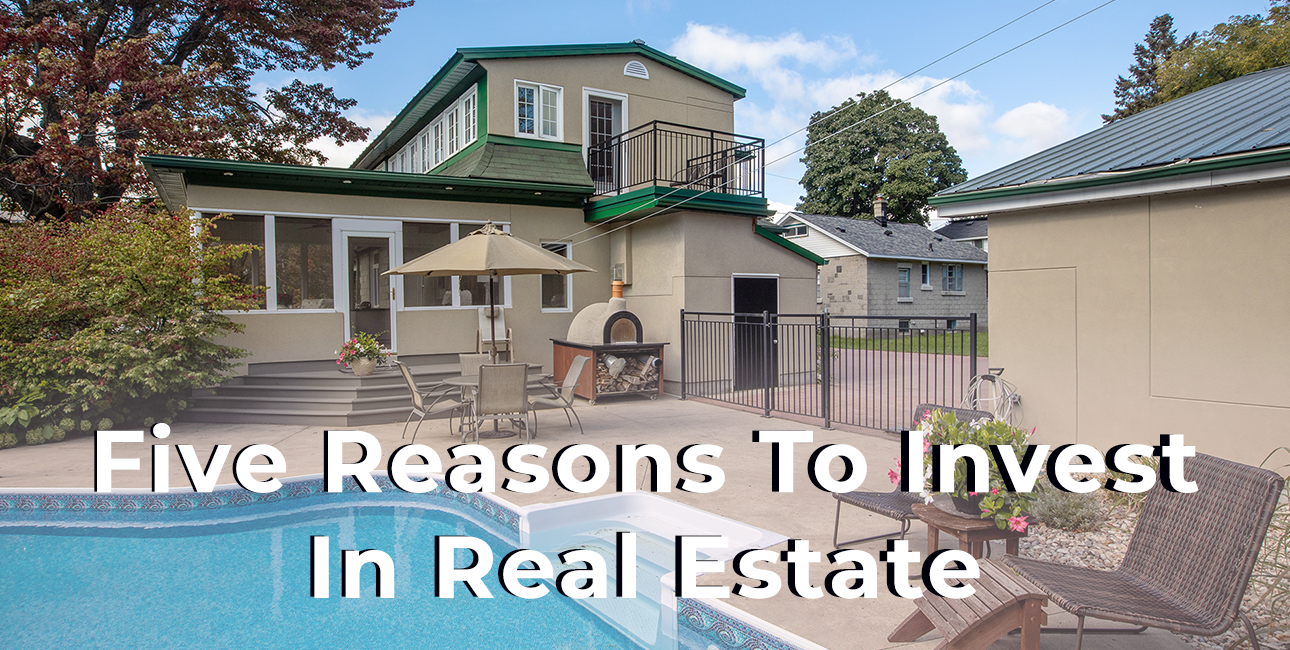
5 Reasons to Invest in Real Estate
Buying a property is one of the most valuable and challenging forms of investment. Property investment is advantageous in many ways, whether it's about earning passive income by renting out your property or creating wealth through real estate value appreciation. Although real estate may seem expensive at the moment, it is one of the safest and most reliable forms of investment for the long term. Here we have compiled some of the best reasons to invest in Real estate.
-
Tangible Asset Value: The property you own will always have a marketable value. Real estate is simple to buy or invest in, easy to finance, gives tax benefits, enhances your lifestyle, and has no enormous financial barriers. Additionally, real estate will always be valuable in contrast to other non-property assets like the stock market, which have low or no tangible asset value.
-
Long-term Investment: Real estate is a long-term investment that brings a high return on investment in the long term. Real estate is a long-term investment that brings a high return on investment in the long term. Likewise, by renting out your real estate, you can generate a monthly income while you wait for your property’s value to rise.
-
Tax Advantages: Investing in real estate comes with tax benefits. Tax credits are provided by the government for a variety of expenses, including mortgage interest, maintenance and repair costs, as well as insurance and property depreciation. Real estate investors get lower tax rates for their long-term investments.
-
Protection Against Inflation: Investments in real estate are regarded as the best protection against inflation. If the price of goods and services rises, then the cost of homes and rents will also typically increase. This implies that adding real estate to a portfolio of diversified assets can minimize portfolio volatility and increase the return per unit of risk.
-
Appreciation of Value: The value of real estate rises over time and has the great capability to generate both income and price appreciation simultaneously. With a good investment, one can get tremendous profits when it’s time to sell. Rents have a propensity to rise over time, leading to higher cash flow. Similarly, being a physical asset, real estate can be leveraged to capitalize on a variety of sources of income while enjoying price appreciation.
Real estate investments provide numerous benefits, including safety and profitable avenues for the long term that are not typically found in other investments. Feeling confused about where to begin? You can also hire a property manager to help make renting easier for both you and your tenants. Aceland Properties Nepal is always here to assist you with managing your rental and leasing activities. We can also help you to get your dream house that matches your requirements. Contact Us now and get a competitive price for your ideal property.